How a Simple Act of Writing Connects Hearts Across Oceans
Jan 23, 2026 — by Sasha in DROKACADEMY

The Power of a Postcard
In the age of instant messaging, email, and video calls, who would have thought that a simple 4×6 inch piece of cardstock could carry such profound power? Yet, as I listened the Postcards to the Front presentation on a December Saturday morning, tears streaming down my face, I witnessed something that no amount of research could have prepared me for: the living proof that postcards heal, one moment at a time.
This is the story of how I discovered Postcards to the Front Canada, how Kamloops became part of this global movement of care, and why the work of Helen and Jean-Michel deserves to be preserved for generations to come.
Discovery: A Newsletter That Changed Everything
Every Saturday since February 24, 2022, our Kamloops Stands with Ukraine group has gathered for one hour to stand in solidarity with Ukraine. Through snow, rain, scorching heat, and bitter cold, we have stood together, week after week, refusing to let the world forget. It was at one of these gatherings that the seeds of connection were planted.
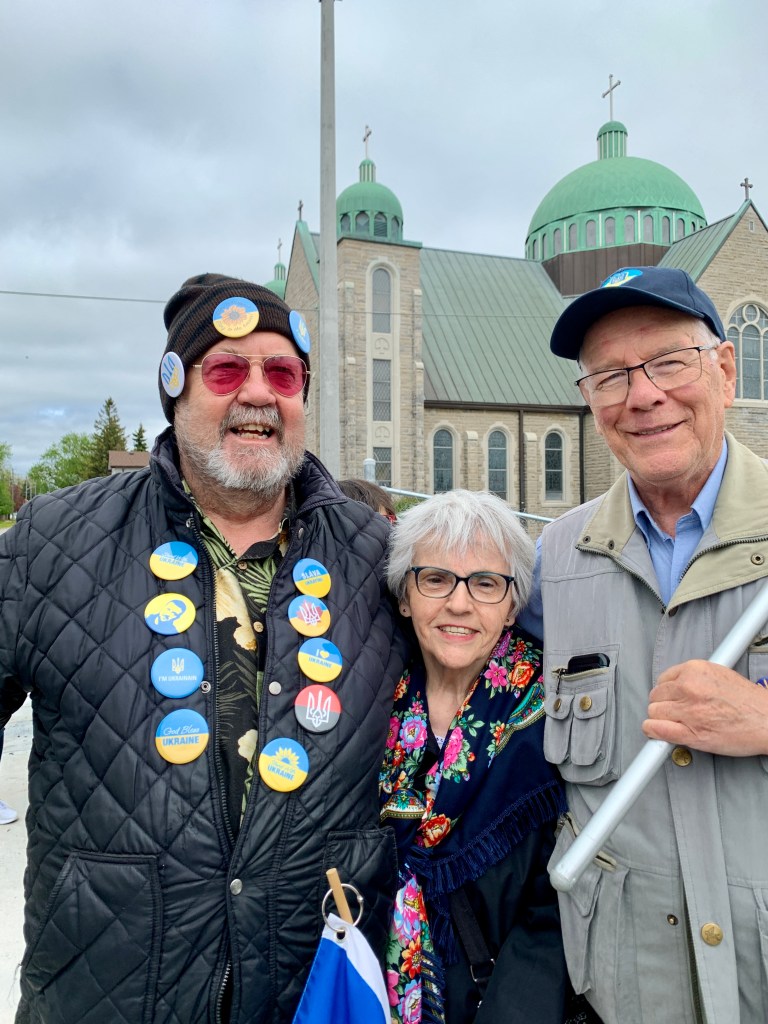
Rose, one of our dedicated online Stand with Ukraine Zoom class participants and Ukrainian language learner from Oshawa who has rallied on the Albert Street bridge over Hwy 401 (Oshawa) every Sunday since the full-scale invasion, had been receiving newsletters from a project she’d discovered. One day, she forwarded me the first few copies of the Postcards to the Front newsletter. As I read through the pages filled with photographs of defenders holding postcards, stories of children writing messages of hope, and accounts of veterans finding strength in simple words from strangers, I knew immediately that this was something our community needed to embrace.
I began including information about Postcards to the Front in my regular updates to our Stand with Ukraine community. The response was immediate and heartfelt. People wanted to do something—something tangible, something that would reach beyond our Saturday gatherings and touch the lives of those fighting for freedom thousands of kilometers away.
Michelle Takes the Lead: Postcards from Kamloops
It was Michelle who took the initiative to make postcards a central part of our Kamloops activities. With characteristic determination and organizational skill, she ensured that our weekly gatherings included opportunities to write postcards. She brought supplies, created space for people to write, and helped those unfamiliar with the Cyrillic alphabet attempt their first Ukrainian phrases.
The transformation was remarkable. Our gatherings became more than just standing with signs; they became an active expression of love and solidarity. Kamloops caring people brought their cards, and first Sasha, then Michelle, now monthly, mailed them to Ontario.
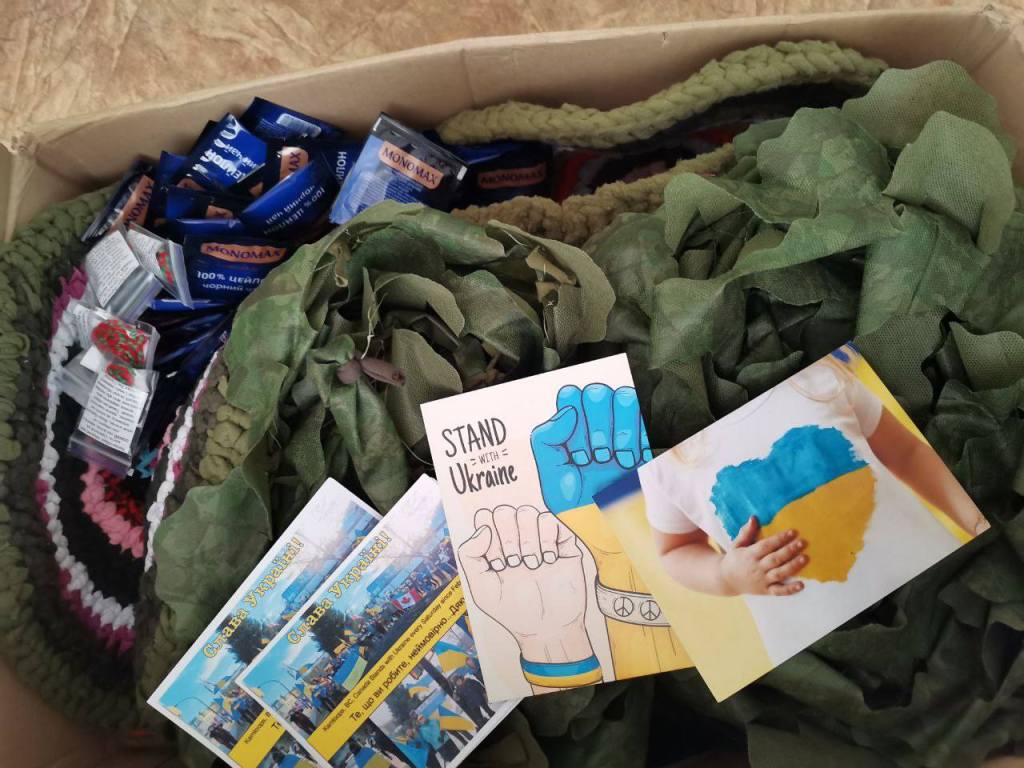
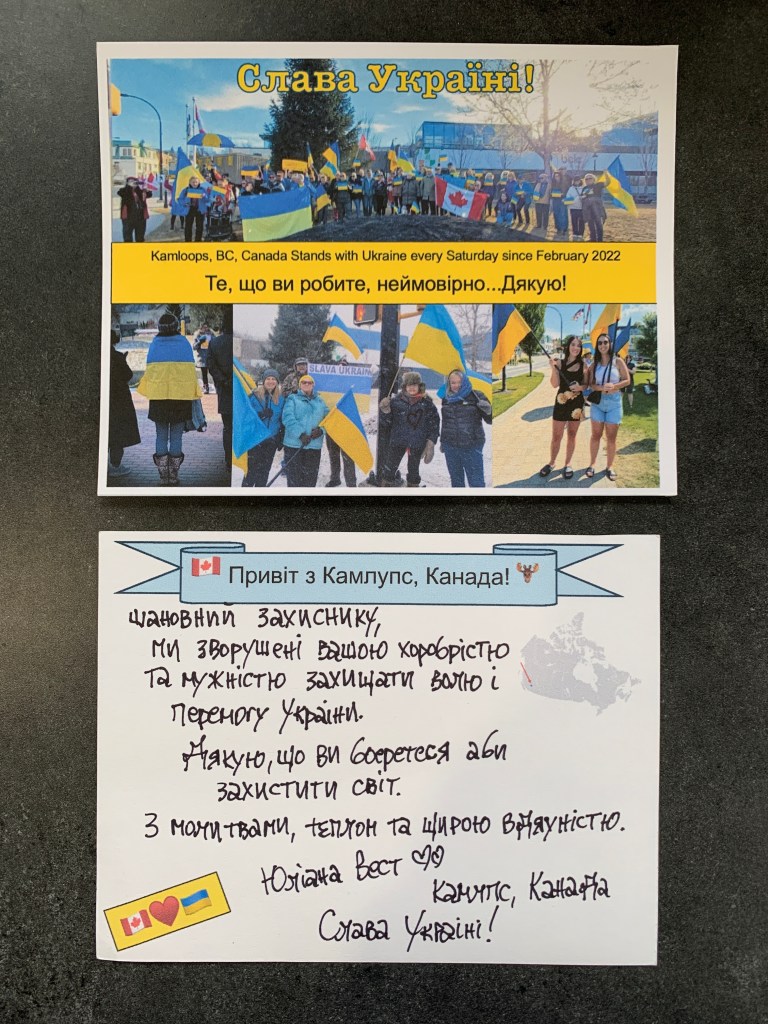
When photographs came back showing Kamloops postcards in the hands of defenders—our cards, with our words, reaching the front lines—the impact was profound. As Michelle would later share, she prints out these images and hangs them on the tree at our Saturday gatherings, showing everyone that yes, the cards got there, that our efforts are not in vain.
An Evening of Profound Emotion
The virtual presentation by Helen and Jean-Michel was unlike any I have experienced in my twenty years of academic life. I had hosted countless webinars, lectures, and conferences, but nothing prepared me for the emotional intensity of this gathering.
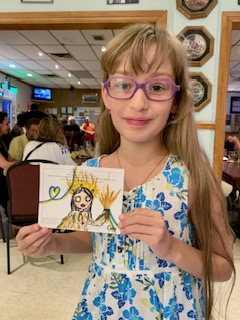
Helen and Jean-Michel spoke not just about logistics—how many postcards have been sent, how the postal system works, where the cards go—but about the human connections woven through every card. They shared the story of two young Ukrainian boys sheltering in Millbrook who became leaders in their classroom, helping their Canadian classmates write in Ukrainian. They told us about Mia, a nine-year-old refugee artist whose family fled Odessa with only keys to a home that no longer stands, now creating beautiful Kozak drawings for defenders.
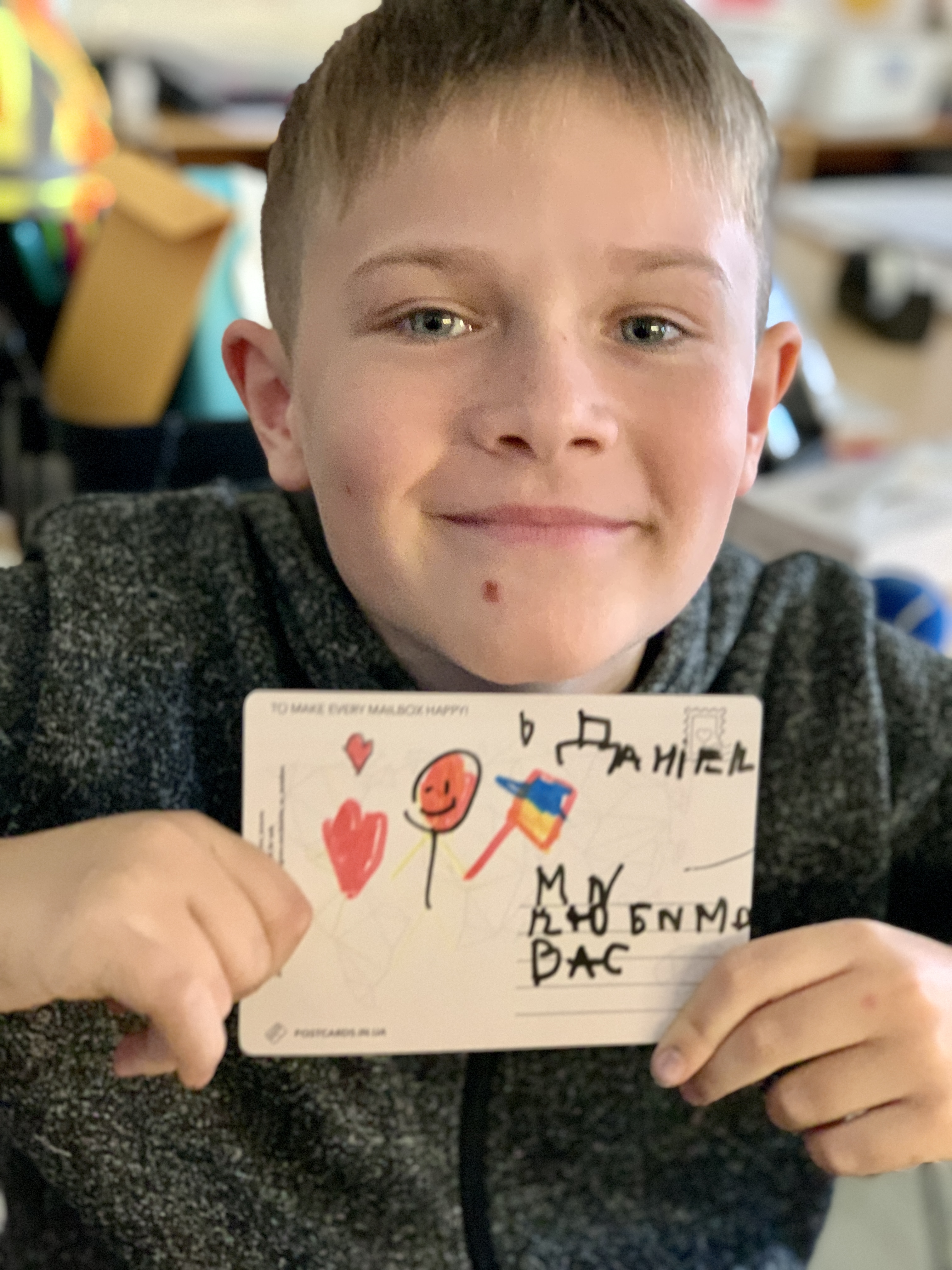
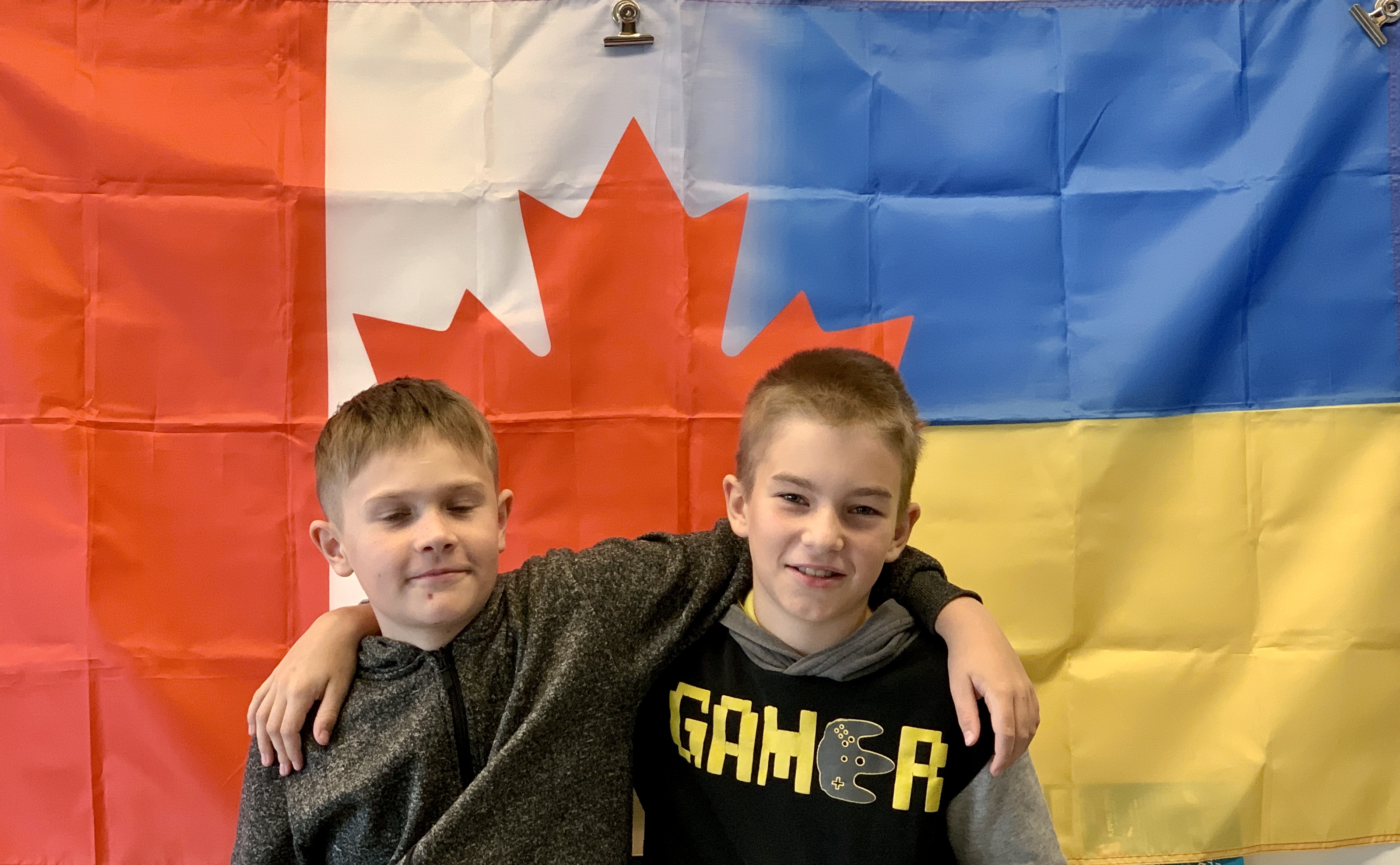
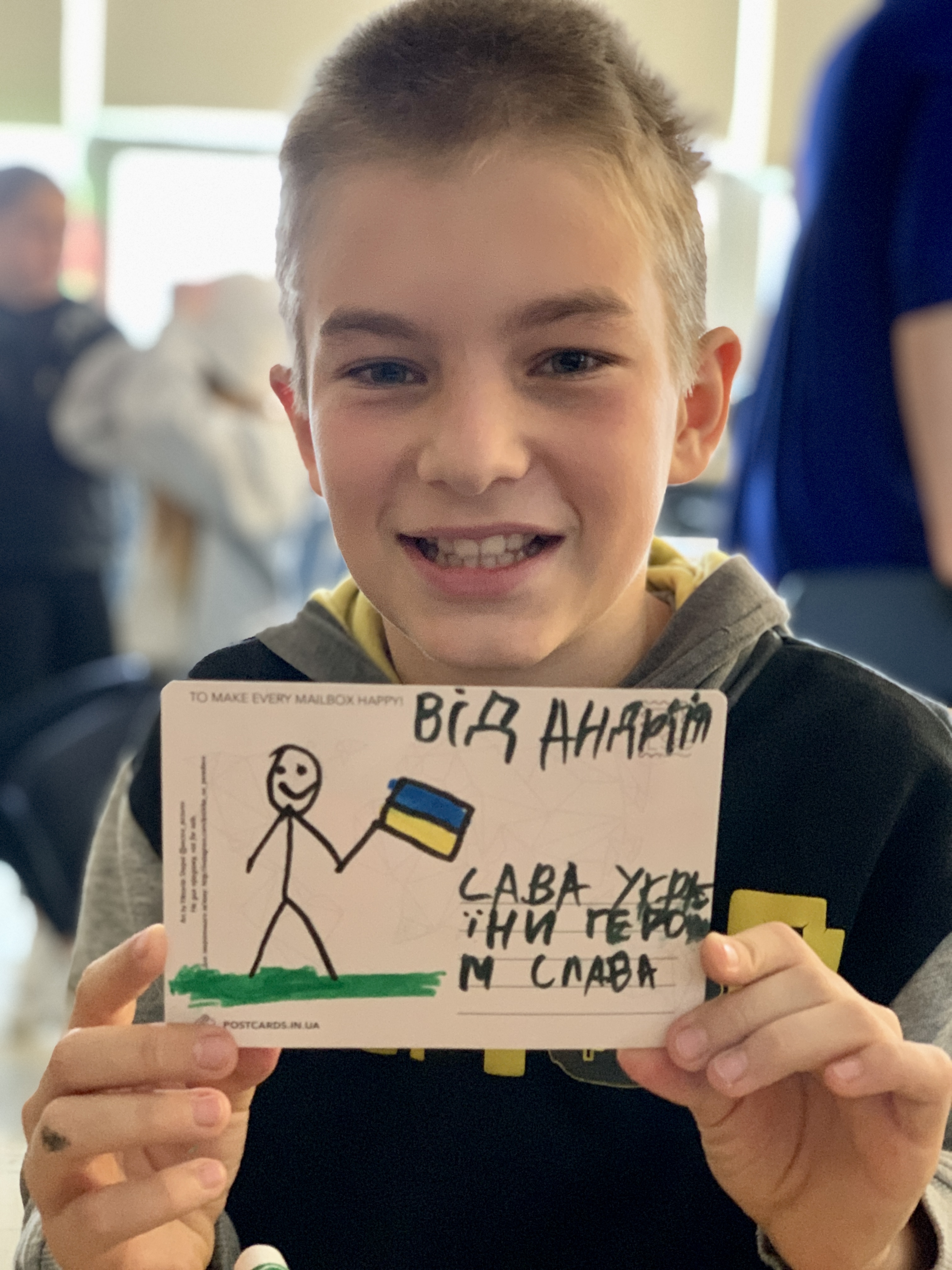
“When the message is coming from my heart and my brain, through my hand, onto that little piece of paper, and it finally lands in someone else’s hands at the front lines… from my hand to their hand, from my heart to their heart.”
These words from Helen captured the essence of what makes this project so powerful. It is not technology that connects us—it is intention, care, and the tangible presence of another human being’s touch.
“The World Has Forgotten Us”
Juliana, another participant, shared her experience of visiting Ukraine in August. She spoke of sitting in Shevchenko Park in Kyiv when a man approached her after overhearing her speaking English. He had fought in the Donbas. His words were simple but devastating: “We can fight. But we feel like the world has forgotten us.“
Juliana described how a postcard written by our Kamloops group now resides in a museum in Ismail—not because anyone asked for it to be there, but because when she offered it as a gift, the museologist said she couldn’t keep it for herself. It belonged to the entire community, a symbol that people across the world remember and care.
When Juliana saw her own postcard displayed in the presentation, now in the hands of defenders, she exclaimed: “You have no idea what that means.” Her voice cracked. We all understood.
Halfway Up the Stairs
Perhaps the most haunting story Helen shared was about one of the 46 individuals in Ukraine to whom she writes monthly postcards. This woman lives on the 22nd floor of an apartment building. Elevators cannot operate—if the power goes out during an air raid, firefighters cannot rescue those stuck inside. So she walks.
One day, Helen received a message. The woman had sent a photograph of herself holding a postcard, taken through a window overlooking her city. She wrote: “I’m halfway up to my flat on the 22nd floor. And I stopped, and I read your postcard, and I’m crying looking over my city.” Then she added: “Now I can carry on.“
A postcard gave her the strength to climb eleven more flights of stairs. A postcard helped her carry on. This is not metaphor; this is the reality of what simple words of care can do.
Research in Practice: When Theory Comes Alive
Just days before this presentation, I had completed developing my course Postcards That Carry Courage: A 12-Week Dual-Track Writing Guide. The course synthesizes decades of research on the healing power of written communication, drawing from psychology, social work, and trauma recovery literature.
The evidence is robust: in World War I, military leaders called mail “mental ammunition.” Clinical studies show that brief postcard interventions reduce crisis events. Research on social acknowledgment demonstrates that recognition—knowing someone remembers you—is essential for trauma recovery. The literature on expressive writing confirms that the act of writing helps the writer as much as the recipient.
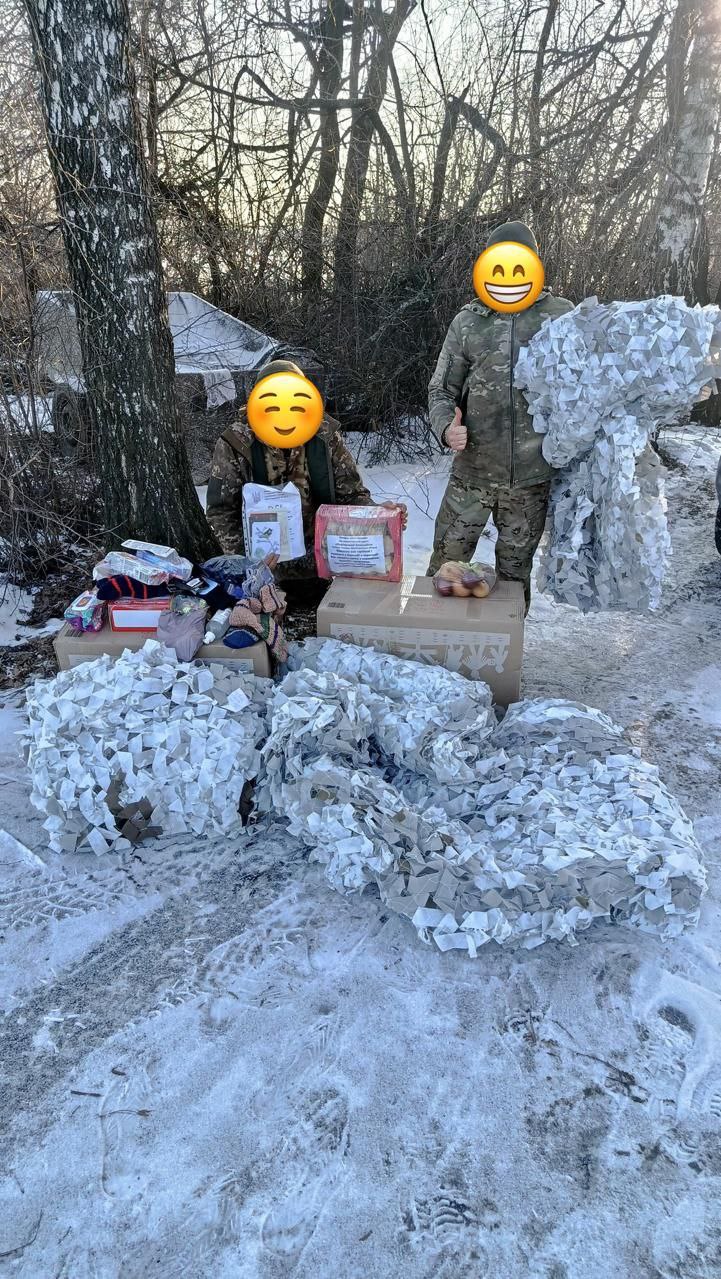
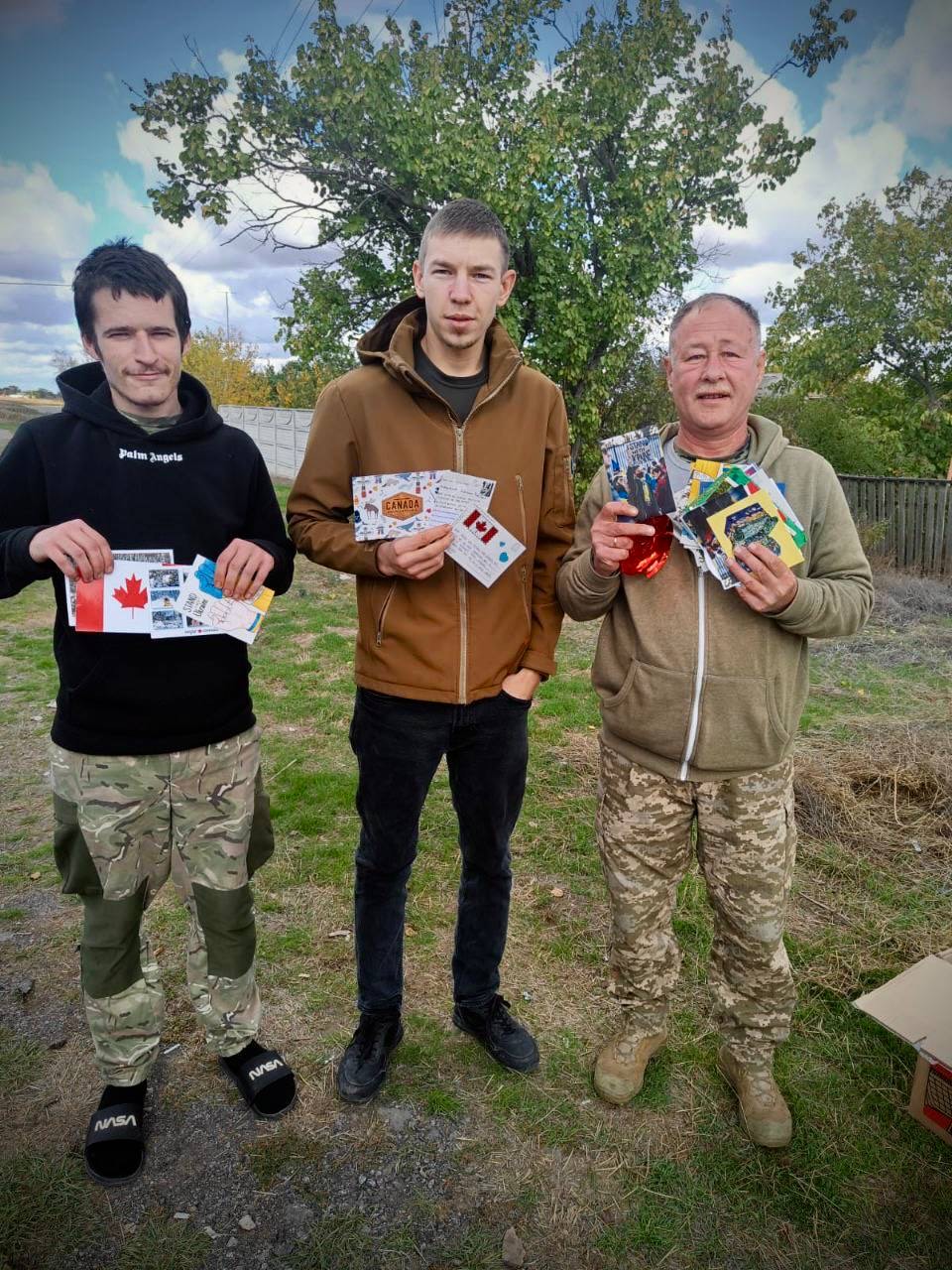
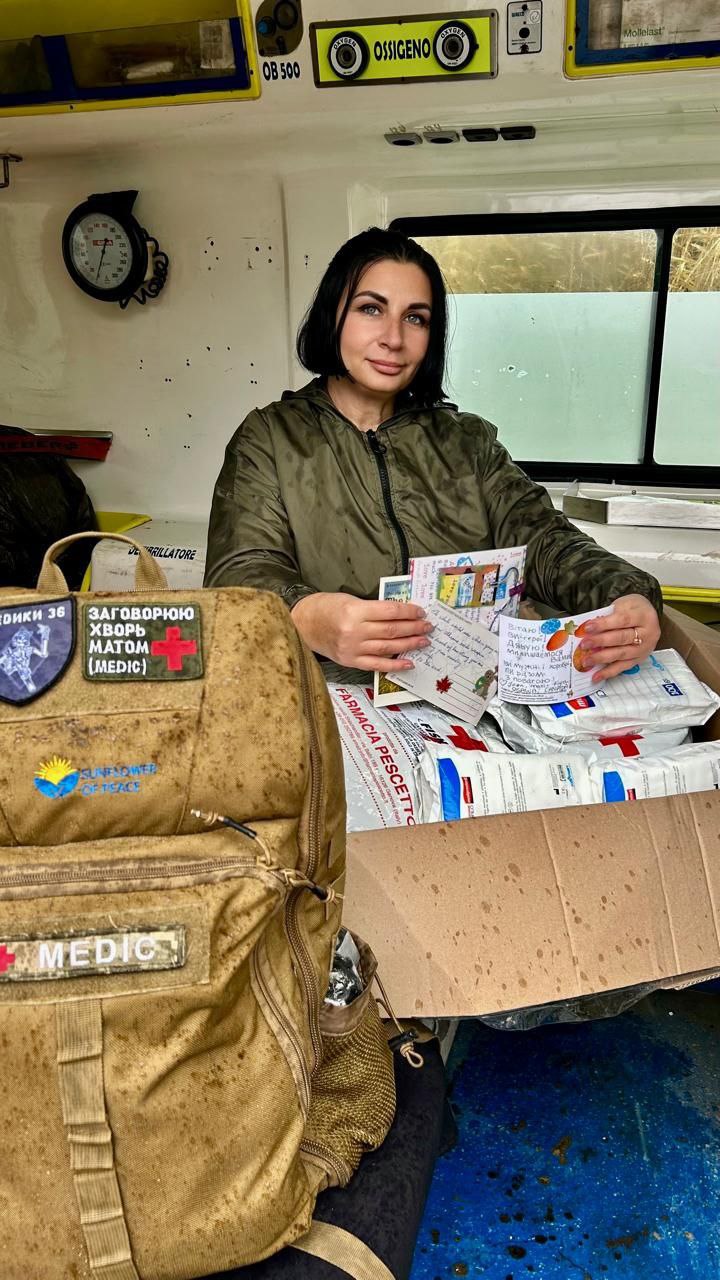
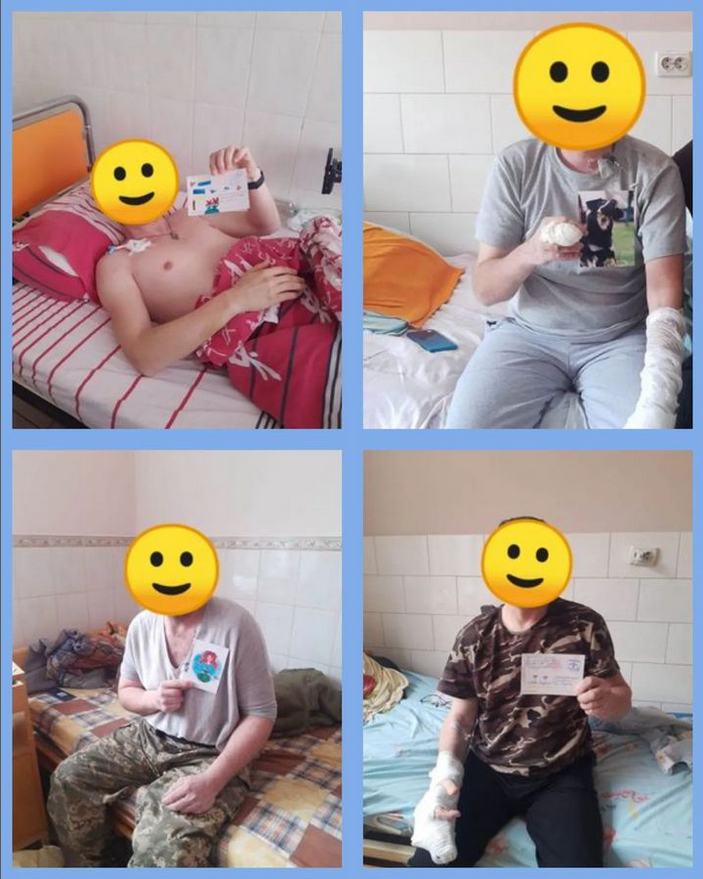
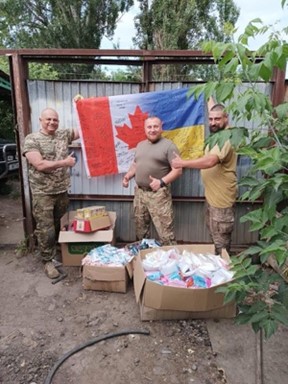
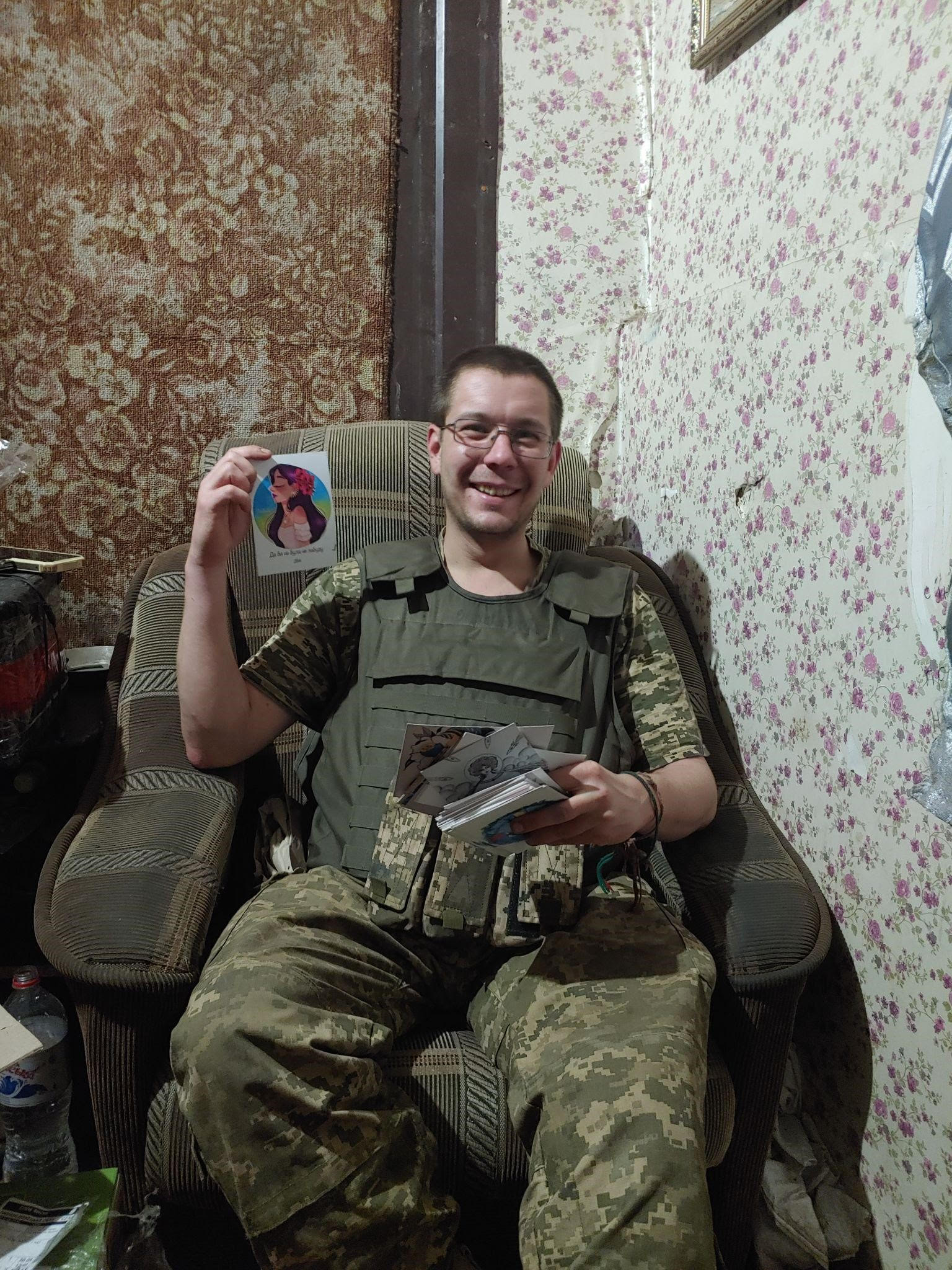
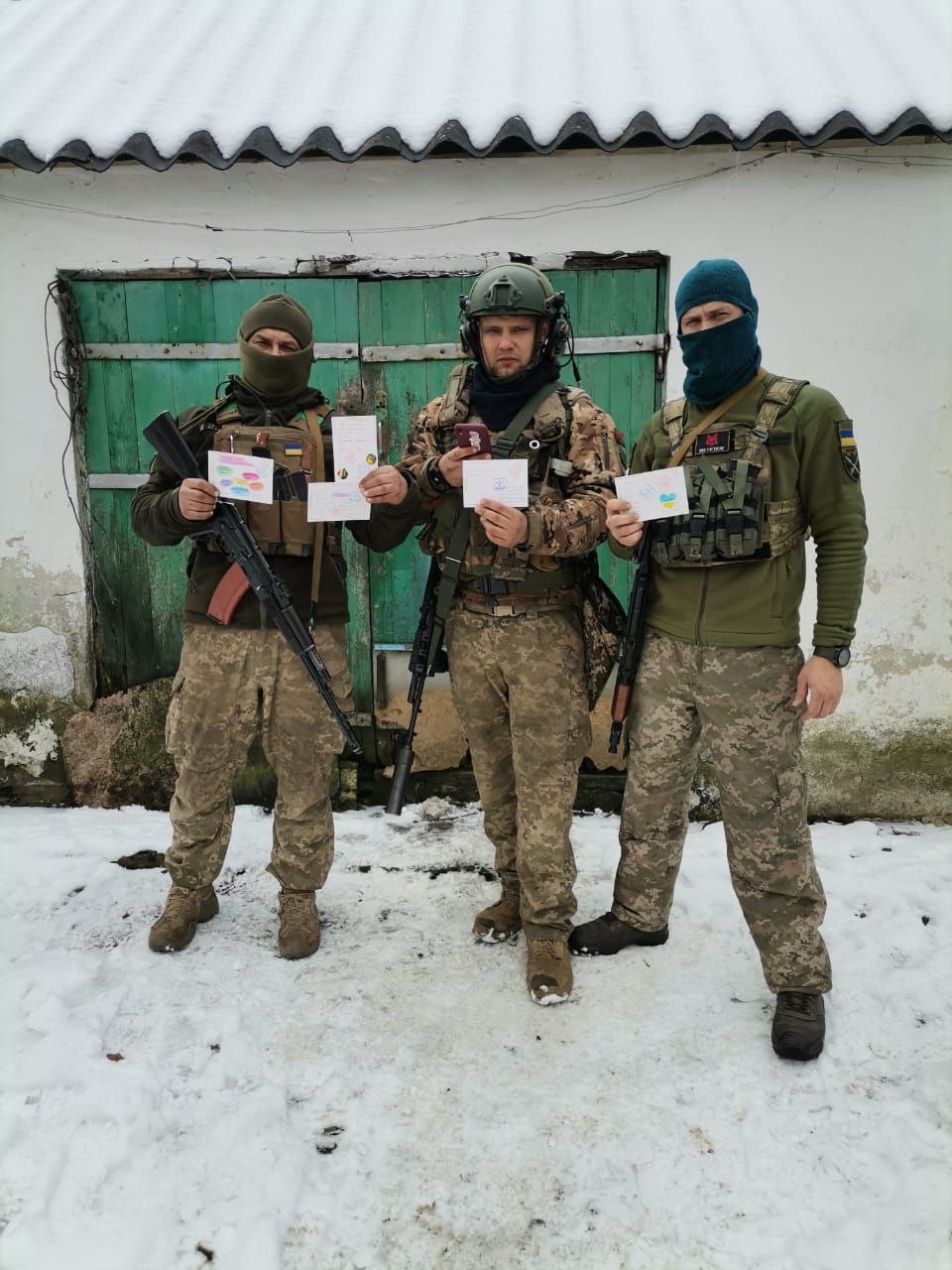
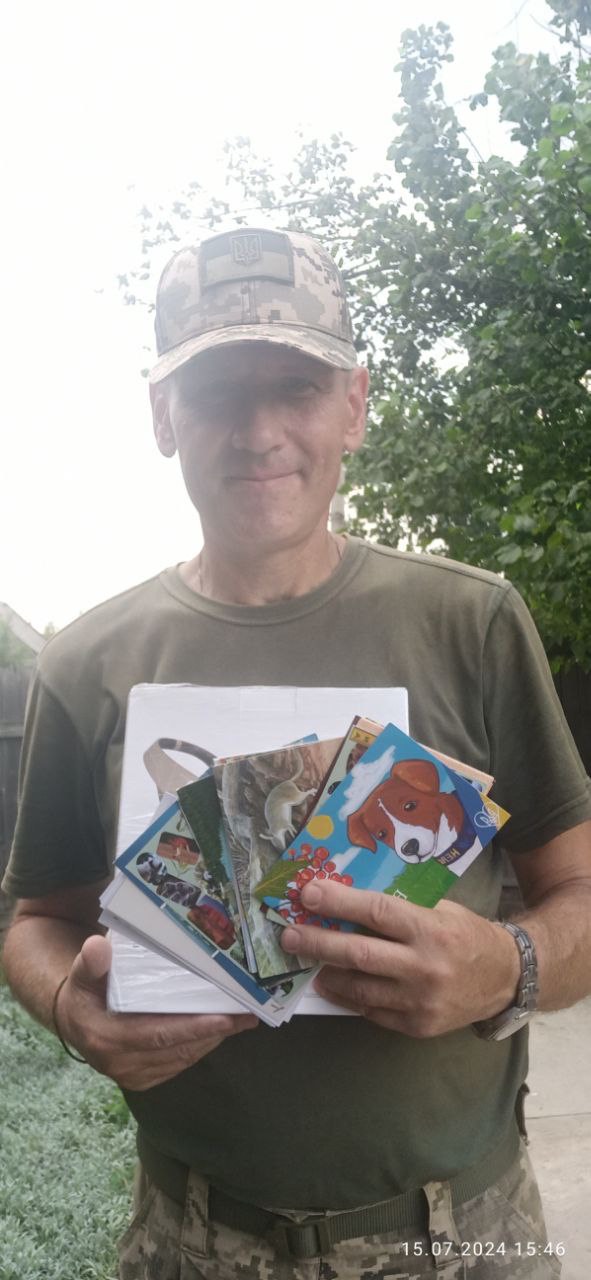
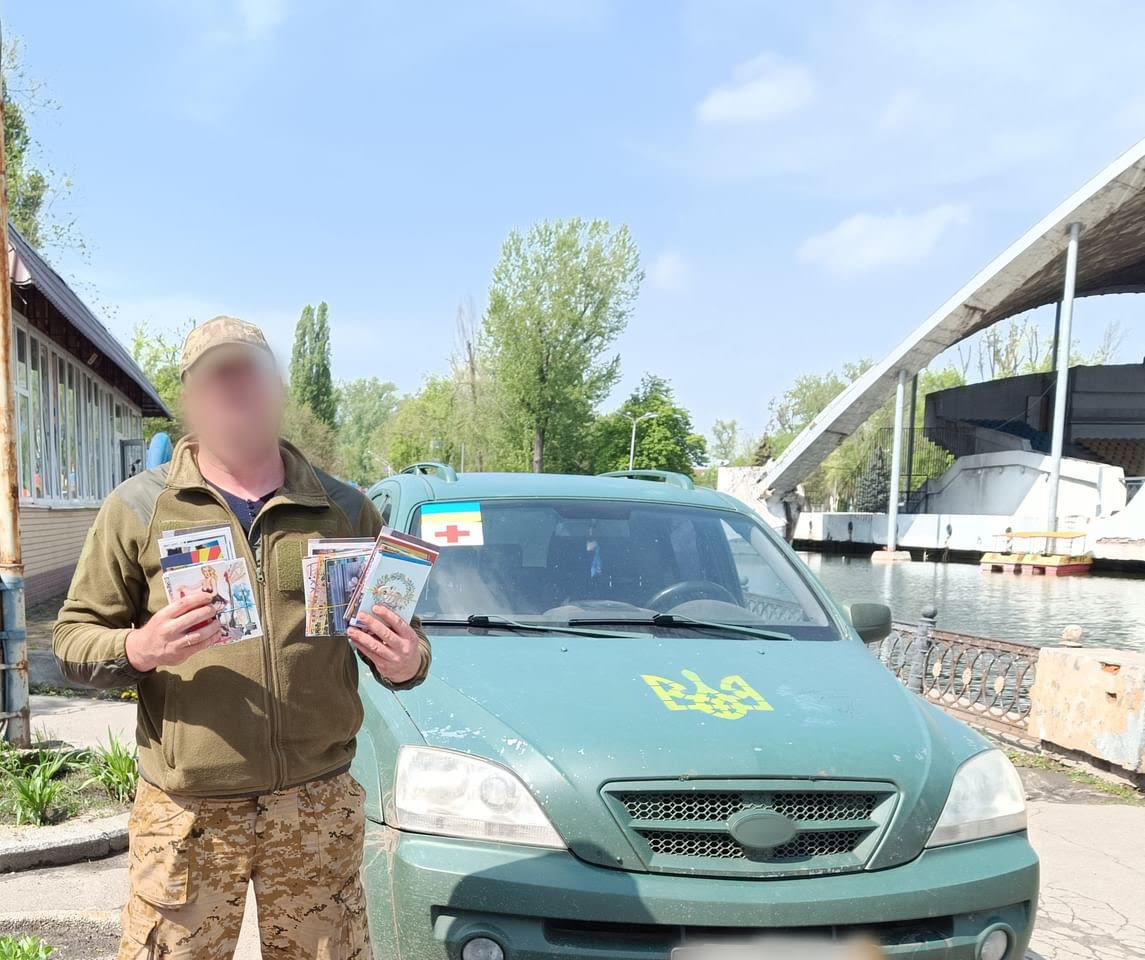
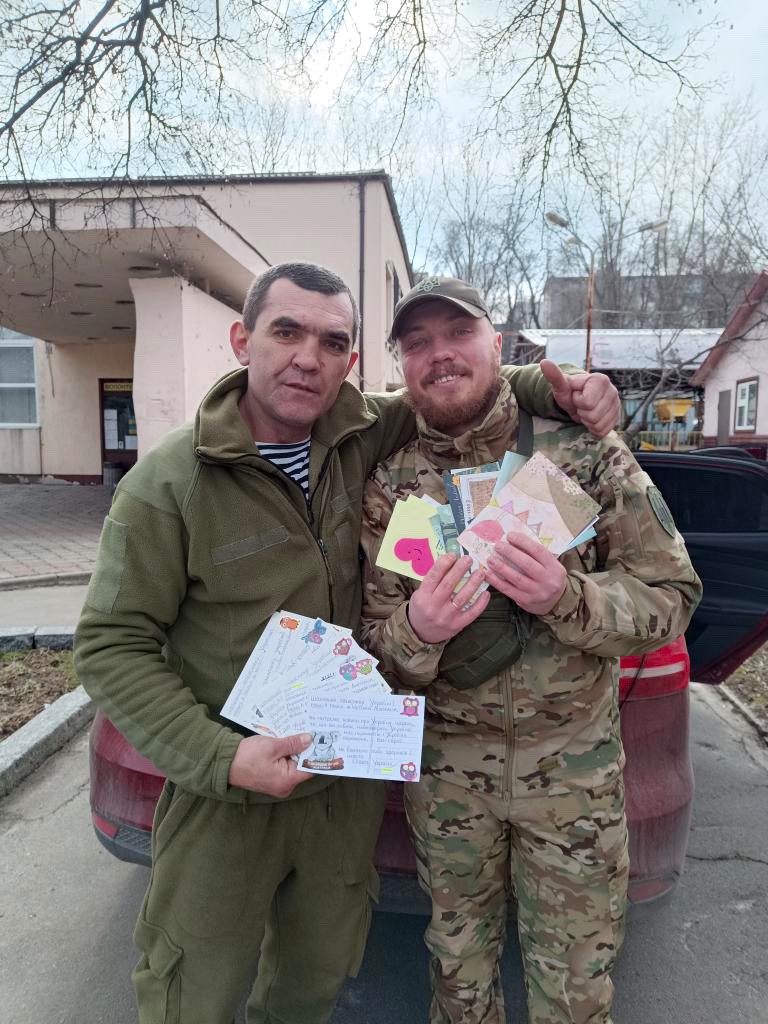
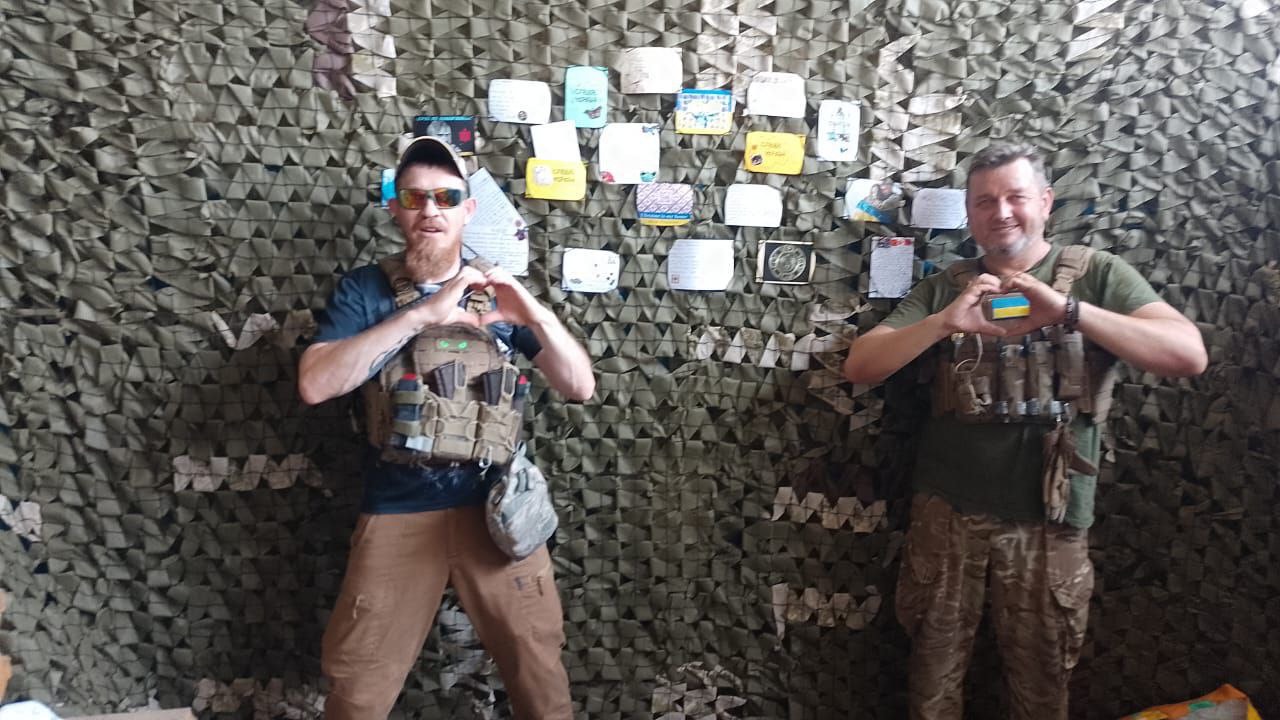
But sitting in that presentation, watching defenders hold postcards with the names of Canadian cities, hearing stories of children who became classroom leaders through teaching their friends to write in Ukrainian, seeing the tears in the eyes of volunteers who had just learned their cards arrived—this was not theory. This was research in practice. This was generations of scholarship manifesting in real time, in real lives.
The Six Principles in Action
In my course, I outline six core principles for supporting Ukrainian defenders through writing. Watching the presentation, I saw every single one come alive:
Trauma Is an Adaptation, Not a Failure. The defenders we write to are not broken; they are surviving under impossible circumstances. The postcards acknowledge this reality without adding burden.
Dignity-Centered Care. Every message treats recipients as whole human beings deserving of respect—not as victims, not as symbols, but as people.
Strength Includes Restraint. The wisdom to pause, to rest, to receive support—this is what postcards offer. As Oleh Nikolenko recently told Helen at an event held at the Canadian Tank museum (Oshawa) defenders keep these cards in their pockets like talismans of strength.
Collective Responsibility. This is not one person’s project. It is sixteen thousand postcards from every Canadian province, and more from Costa Rica, Croatia, Finland, Germany, India, the Netherlands, South Africa, and the United States of America, among others, from children, seniors, and everyone in between.
Cultural and Moral Context Matters. When writers attempt Ukrainian phrases, when they include their city and country, when they try to understand the culture they are supporting—this recognition matters profoundly.
Healing Happens Within Systems of Care. Every postcard warrior is part of this system. Every card extends the circle of care further.
“We’re in the Dark. We’re All Crying.”
Helen also shared a story from Tamara, the fearless leader of Postcards to the Front in Ukraine, that silenced everyone. Tamara’s friend, a defender, had been injured. She visited him in the hospital with postcards. When she began to read one aloud, he stopped her: “Just leave them. I can’t hear it right now.” He had tears in his eyes—something Tamara said she had never seen in a Ukrainian man.
He returned to the front lines, because that is what happens in this war. Days later, Tamara received a call at 2 a.m. Her heart stopped—surely this was the worst news. But he was whispering:
“We’re in the dark. And we’re all crying. Thank you for the cards.”
Hardened soldiers, in the darkness of a war zone, crying together over postcards from strangers who cared enough to write. This is the power we hold in our hands every time we pick up a pen.
Every Bead a Prayer
Gwendy, a member of our Kamloops community, shared her practice of traditional Indigenous beading. “Every bead is a prayer,” she explained. “I don’t smoke, I don’t drink, I don’t touch my beading if I’ve had even a glass of wine. When my father passed, I couldn’t touch it for a year—I could not put grief into my beading.”
Her beadwork, incorporating Ukrainian symbols, has traveled the world. Her mother is Ukrainian, and Gwendy spoke of showing her pieces and shedding tears together. “It’s about hope,” she said. “About solidarity. About the gift of giving and what peace will bring to Ukraine.”
Here was another form of the same truth: that handmade expressions of care, whether beads or postcards, carry prayers across distances and touch hearts in ways that technology cannot replicate.
Putting Soul and Body on the Line
Jean-Michel offered a reflection that stays with me. He spoke about the Ukrainian national anthem, which differs from most anthems in a profound way. Where other anthems celebrate victory or glorify the nation, the Ukrainian anthem says something different: “I will put my soul and my body to protect freedom.“
“It’s not about winning,” Jean-Michel explained. “It’s about putting yourself in harm’s way to protect not just your freedom, but everyone’s freedom. That’s what they’re doing. So sending them a little postcard saying ‘hey, thanks for doing this’—it’s a pretty small thing to do. A pretty easy thing to do.”
A small thing. An easy thing. And yet, when multiplied by sixteen thousand postcards, when carried by postal workers through war zones, when held by trembling hands in trenches and hospital beds and bombed-out apartments, that small thing becomes enormous.
A Book That Must Be Written
During the presentation, Helen mentioned that she has been working on a book documenting this project. My heart leaped. This story must be preserved. This is not just a feel-good narrative about solidarity—this is primary source documentation of a grassroots humanitarian movement that demonstrates everything we know about healing, connection, and the power of simple human care.
Postcards to the Front is research in practice. Every newsletter, every photograph, every story of a card reaching its destination and making a difference—this is the evidence base that future generations will need. When scholars study how communities responded to the war against Ukraine, when social workers develop new interventions for supporting people in crisis, when educators design curricula on global citizenship and empathy—they will need this documentation.
I told Helen and Jean-Michel that I would use their book as a textbook in future courses. I meant it. The Postcards That Carry Courage course I developed draws on academic literature, but nothing in that literature captures the lived reality of this project like the stories Helen and Jean-Michel can tell.
The impact is already visible. Now it is time to document it and preserve it for future generations.
Healing Starts Now
One of the insights that emerged from my research, and that Helen articulated beautifully, is that healing cannot wait for victory. Defenders cannot wait until the war ends to begin recovering. Healing must happen now, in the midst of the trauma, one moment at a time.
This is what postcards provide. A moment of pause. A moment of recognition. A moment when someone far away says: “I see you. I remember you. You are not alone.“
The research shows that such moments accumulate. They build resilience. They counter the isolation and dehumanization of war. They remind people that the world has not forgotten them—even when it sometimes feels like it has.
What You Can Do
If you are reading this and wondering how to participate, the answer is beautifully simple:
Choose a postcard. Do you have postcards brought home from a vacation and never written? Does your local museum or gallery or provincial park have postcards? If “no”, some people and community groups create their own postcards. Lots of examples can be found on the Postcards to the Front website. Cheerfulness is the goal. A little about your community is very nice too.
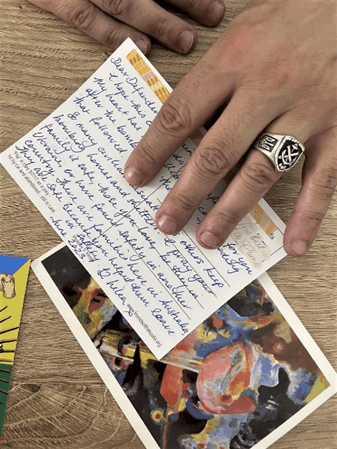
Write a postcard. Use bright colours: drawings, stickers, multiple-coloured gel pens. Try a Ukrainian phrase (Google Translate works well—just double-check by translating it back). Include your first name, city, and country. Keep the message simple and heartfelt. Avoid leaving white space. Do not include contact information for security reasons.
Send it to Postcards to the Front Canada. The address is available on their website (https://postcardstothefrontcanada.com/ ). And included below: P. O. Box 184 Millbrook, Ontario L0A 1G0 Canada. Helen and Jean-Michel collect, sort, and ship the cards to Ukraine, where Tamara and her team distribute them to defenders and volunteers. You can fit 4 or 5 postcards in one envelope using a single domestic stamp.
Keep writing. This is not a one-time action. The war continues. The need for moral support continues. Sustained care is what makes the difference.
Organize others. Churches, schools, seniors’ residences, community groups—anyone can participate. Michelle did it in Kamloops. You can do it in your community too.
The Power of People
Sitting in that presentation, surrounded virtually by people from across Canada who share the same commitment, I was reminded of famous words from anthropologist Margaret Mead.: “Never doubt that a small group of thoughtful, committed citizens can change the world; indeed, it’s the only thing that ever has.“
Postcards to the Front is proof of this truth. One woman in Ukraine who had a postcard shop decided to redirect her business toward sending messages of support to defenders. One man in Australia discovered the project and got his country involved. One couple in rural Ontario decided that if Australia could do it, Canada could too. And now, sixteen thousand postcards later from Canada, defenders in trenches are crying together over words from strangers who remembered them.
The power of people is beyond belief. What ordinary individuals can do when they decide to care, when they pick up a pen and write a few words, when they mail those words across an ocean and into a war zone—this is the power that no army, no government, no institution can replicate.
Helen said it best: “My weapon is love and care.” That is a weapon available to all of us. And it is a weapon that heals rather than destroys.
Acknowledgments
Deep gratitude to Helen and Jean-Michel for their tireless work leading Postcards to the Front Canada, and for sharing their presentation with our community. Thank you to Rose for forwarding the first newsletters that opened this door. Thank you to Michelle for taking the initiative to bring postcards to Kamloops. Thank you to Juliana, Gwendy, and all the members of Kamloops Stands with Ukraine who show up every Saturday, who write cards, who refuse to let the world forget. Thank you also to participants from Canada and the United States who joined the presentation
And thank you to every defender, every volunteer, every person in Ukraine who is putting their soul and body on the line for freedom. Your courage inspires our words. Your strength moves our hearts. Your sacrifice will not be forgotten.
Video link
Please watch the video https://www.youtube.com/watch?v=xZ2xr12LvBM
How to –
Need ideas about what to write on your cards? Check our How To page, and our Ukrainian phrases page. We ask everyone to try at least one phrase in Ukrainian. Like this one: You are heroes! | Ви – герої! Maybe you want to organize a group of family, friends or others to write postcards? Check our website for tips, How to Run a Postcard-Writing Workshop.
Share our website – postcardstothefrontcanada.com * Subscribe

Your cards do make a difference as Danylo tells us from the front lines –
Nothing warms the soldiers’ heart as a handwritten letter.
And, as Nadia in Zaporizhzhia region, Ukraine reminds us –
Postcard support gives strength and courage.
 Postcards to the Front (Canada / Канада)
Leave a comment